Capybara, Rodent, Funny, Cowboy Rat, Vin: A Designer’s Practical Take
As an embroidery designer and product reviewer with years of experience in the craft business, I often find myself evaluating digital designs for their real-world usability. The Capybara, Rodent, Funny, Cowboy Rat, Vin design caught my attention not just for its whimsical charm but for how it might translate into a tangible, high-quality embroidered patch or machine embroidery design. In this review, I’ll walk you through my thought process as I consider using it for various projects like custom apparel, tote bags, or even nursery decor.
First Impressions and Visual Personality
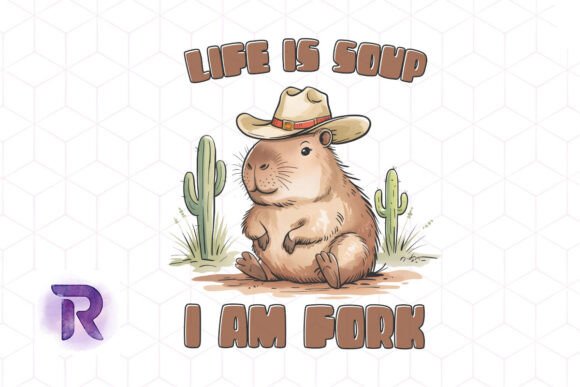
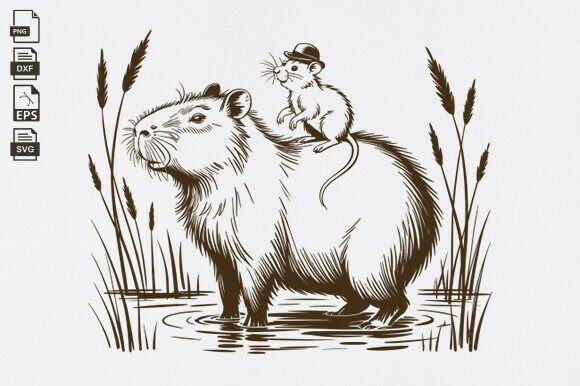
The moment I unzipped the SVG file for Capybara, Rodent, Funny, Cowboy Rat, Vin, I was greeted by a quirky illustration that immediately evokes a sense of fun and nostalgia. It’s a vintage-style capybara, stylized as a “cowboy rat,” which is a delightfully unexpected character. The design has a clean layout with bold outlines and minimal shading, making it visually accessible and easy to interpret in different stitch types.
This kind of visual personality is perfect for those who want to add a touch of humor or uniqueness to their handmade products. The capybara’s pose and expression are playful, suggesting it would work well on items where a lighthearted tone is appropriate — think children’s clothing, novelty aprons, or holiday gifts.
Detail Level and Layout
The detail level is moderate. There are enough features to make the character recognizable without overwhelming the machine or fabric with too many tiny stitches. This is a big plus for hobbyists and Etsy sellers looking to balance creativity with practicality. The layout is centered and symmetrical, which makes it easy to position on most garments and surfaces.
However, if you're planning to scale it down significantly (e.g., for a small hoop or baby item), you may need to simplify some elements or adjust the placement to maintain clarity. For now, it looks like a solid candidate for sweatshirt embroidery or a large tote bag design.
Real-Life Project Evaluation
To test the design's potential, I imagined using it for a custom embroidered sweatshirt commissioned for a client who runs a small boutique selling retro-inspired streetwear. The capybara design fits the vibe perfectly — vintage, humorous, and slightly edgy. I also considered applying it to a set of personalized aprons for a local artisan fair. Both scenarios require durability and clear visual impact, so I’d be cautious about stitch density and thread color choices.
- Custom Apparel: Works great for t-shirts, sweatshirts, and hoodies. The character is expressive enough to stand out on cotton blends and heavier fabrics.
- Tote Bags: Ideal for a larger-scale application. The design’s charm shines on canvas or linen tote bags, especially when paired with other text or graphic elements.
- Baby Clothes: While cute, the design might be too bold or detailed for delicate baby wear unless simplified or softened in execution.
- Patches: This could easily become an embroidered patch for denim jackets or backpacks. The SVG format allows for precise cutting and outlining, essential for applique-style patches.
- Nursery Decor: The vintage aesthetic aligns well with boho or farmhouse themes. Just ensure the colors aren’t too harsh for soft interiors.
- Holiday Gifts: Think Christmas stockings, ornament tags, or gift bags. The whimsical nature adds festive flair without being overly seasonal.
- Commercial Embroidery: If you're producing multiple units, the design needs to hold up under repeated use. Check stitch count and density to avoid distortion over time.
Where to Use It Carefully
While Capybara, Rodent, Funny, Cowboy Rat, Vin is versatile, there are certain contexts where extra care is needed. Here are a few red flags based on real-life stitching challenges:
- Small Hoop Sizes: The design isn’t optimized for tiny hoops. Scaling it down can cause fine lines and facial features to lose definition.
- Textured or Stretchy Fabrics: On knits or quilted materials, the details might get distorted. Consider using a stabilizer and adjusting tension accordingly.
- Thin or Dark Fabrics: Thread contrast becomes critical here. On black or dark backgrounds, the design loses its pop unless you choose bright or metallic threads.
- Curved Surfaces: Applying it to caps or curved seams could result in stretching or misalignment. Always check the preview before finalizing.
- Dense Stitch Areas: Some parts of the design have tight clusters of stitches. These areas may pucker or break if not properly stabilized.
- Frequent Washing: For items like tea towels or kids’ clothes, ensure the design uses durable stitch types and quality threads to prevent fraying or fading.
Design Integrity and Branding Potential
One of the key things I look for in an embroidery file is whether it maintains its identity after being stitched. Capybara, Rodent, Funny, Cowboy Rat, Vin holds up reasonably well in this aspect. Its bold outline and minimalistic fill areas help preserve the original shape and character, even after several washes or wearings.
For craft businesses and small shop products, this design could serve as a unique brand asset. Imagine a line of personalized gifts featuring the cowboy capybara alongside names or dates. It adds a memorable touch that sets your handmade product apart from generic options.
Practical Design Notes for Embroidery Work
Before committing to a project, here are some steps I recommend to any embroidery designer or creative entrepreneur considering this file:
- Test on Scrap Fabric: Try stitching it on a piece of similar material to see how it handles tension and stabilizer.
- Check Thread Color Contrast: Especially important for light-colored characters on dark backgrounds. You may need to invert colors or switch to darker thread.
- Review Stitch Density: Dense fills may require thinning or switching to satin stitch in certain areas to prevent puckering.
- Confirm Hoop Size: Since no specific hoop size is provided, always verify compatibility with your machine’s capabilities.
- Inspect Small Details: Facial expressions and tiny accessories (like a hat or boots) should be checked closely for stitch continuity.
- Test Black and White Mockups: See how the design reads without color — useful for grayscale applications or monochrome branding.
- Compare Light and Dark Backgrounds: This helps determine the best placement and thread combinations for visibility.
- Use Proper Stabilizer: Especially if working with stretchy or unstable fabrics. Tack or tear-away stabilizers will help keep everything flat during stitching.
- Check Licensing Before Selling: As a digital embroidery file, it’s crucial to understand whether it can be used in commercial projects. This design appears to be intended for instant download, but exact licensing terms aren't included — something every digital product seller must clarify before use.
Customer Reaction and Market Fit
I’ve seen firsthand how a well-placed design can elevate a product from ordinary to unforgettable. The Capybara, Rodent, Funny, Cowboy Rat, Vin has that kind of potential. Its mix of humor and vintage charm appeals to niche audiences — especially younger adults and pet lovers who appreciate quirky animals and retro aesthetics.
On Etsy, this design could be a hit when applied to design assets like printable mockups or custom apparel listings. It adds personality to otherwise basic templates, helping your shop stand out among competitors. However, it’s not a one-size-fits-all solution. It doesn’t scream professionalism for corporate merchandise, nor does it suit minimalist tastes. But for the right audience — it’s gold.
Affecting Product Value and Engagement
When evaluating how this design affects product value, I consider both the visual appeal and the emotional response it triggers. Capybara, Rodent, Funny, Cowboy Rat, Vin clearly communicates a sense of playfulness, which can increase buyer engagement and perceived uniqueness.
Stitching clarity is another concern. If the design is used on a product that requires frequent washing, such as kitchen towels or gym bags, the stitch types should be reviewed for durability. Using fill stitch sparingly and opting for running stitch in outlines can help maintain integrity while keeping the look vibrant.
From a branding perspective, the design supports consistency in shops that lean into whimsical or retro themes. It also enhances the giftability of items — people love sending personalized products with quirky animal motifs.
Final Thoughts for Crafters and Business Owners
In short, Capybara, Rodent, Funny, Cowboy Rat, Vin is a charming and versatile machine embroidery design that works best when applied thoughtfully. It’s not just about downloading the SVG and going — understanding how it interacts with fabric, thread, and stitch types is what separates a good idea from a great finished product.
If you’re an apparel decorator or handmade shop owner, this could be a standout addition to your catalog. For hobbyists and makers, it offers a fun challenge with rewarding results. Just remember to adapt it to your materials and audience, and always test before mass production.
Whether you’re preparing a printable mockup for your next listing or stitching a custom sweatshirt for a boutique order, take the time to assess how this design will perform in your hands. With the right approach, it could become a signature element in your craft business or a favorite among your customers.