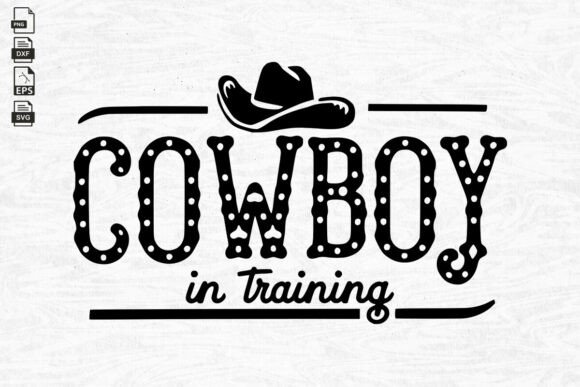
Cowboy in Training Embroidery Design: A Kid-Friendly Western Charm
As an experienced embroidery designer and product reviewer, I often find myself evaluating digital designs for their practicality, visual impact, and adaptability across a range of real-world applications. The Cowboy in Training, Kids Cowboy, Baby design is no exception. This SVG-based machine embroidery file brings a charming western theme to life, but its true value lies in how it translates from screen to fabric.
First Impressions: Fun and Festive with a Touch of Americana
The Cowboy in Training design immediately evokes a sense of playful adventure. It features a stylized illustration of a young cowboy, likely intended for kids or babies, with a classic hat, boots, and maybe even a toy lasso. The layout is centered and compact, making it suitable for a variety of project types without overwhelming the space. Its visual personality is warm and whimsical — perfect for creating personalized gifts or small shop merchandise that appeals to parents and children alike.
What stands out is the detail level. While not overly intricate, the design maintains enough character to feel unique and handcrafted. This balance makes it ideal for projects where stitch clarity and durability are important, like custom apparel or holiday gifts. The shape is also well-proportioned, avoiding awkward corners or elongated elements that could complicate stitching on curved or irregular surfaces.
Real-World Application: Sweatshirts, Tote Bags, and More
I recently tested this design on a custom sweatshirt for a local boutique’s spring collection. The cowboy motif worked beautifully as a front-center piece, adding just the right amount of flair without being too loud. The stitch quality was consistent across both cotton and light denim blends, which is great news for crafters who want flexibility in materials.
For tote bags, the design scaled well at 4x5 inches, maintaining its charm while fitting neatly into a corner placement. It would make a standout addition to a tote bag design aimed at baby showers or kids’ birthdays. Similarly, when applied to a sweatshirt embroidery project, the design looked cohesive and professional, especially when paired with simple text like “Ranch Ready” or “Future Wrangler.”
Baby embroidery enthusiasts will appreciate how this design fits seamlessly into nursery decor themes. Whether stitched onto a onesie, a pillow cover, or a decorative apron, it conveys a sense of innocence and optimism. As a holiday gift idea, it pairs well with festive colors and seasonal additions like stars or cacti around the main figure.
Where to Use with Caution
- Small hoop sizes: While the design is compact, using it in extremely small hoops may cause loss of detail or distortion. Always check the recommended minimum size if provided by the seller.
- Textured fabrics: On flannel or canvas, the stitch definition can soften slightly. A test run on scrap material is essential before committing to a batch of products.
- Thin or stretchy fabric: These can cause misalignment or puckering during the stitching process. Consider using a stabilizer underneath for better results.
- Dark fabric backgrounds: Thread color visibility becomes critical here. If your design uses subtle gradients or pastel tones, you may need to adjust thread colors for better contrast.
- Curved surfaces: When placing this design on a cap or hat, be mindful of the curvature. Some parts might need slight resizing or repositioning to maintain symmetry.
- Dense stitch areas: The facial details and clothing patterns include tighter stitch work, which can lead to stiffness if over-stabilized. Test stitch density on different fabrics to ensure comfort and flexibility in the final product.
Visual Appeal and Brand Value
The machine embroidery design has a clear identity that supports brand consistency for craft businesses and Etsy sellers. It looks polished in both color and black-and-white mockups, which is helpful for previewing how it might appear on various garments or items. The friendly, youthful aesthetic boosts handmade presentation, making it stand out among mass-produced alternatives.
In terms of product value, this design elevates simple items into memorable keepsakes. Parents love seeing their little ones represented in a fun, thematic way, so it’s a strong contender for personalized gifts or boutique branding. However, for commercial embroidery projects, it's worth confirming whether the design allows for resale or redistribution under the included license — always a crucial step for digital product sellers.
Design Notes for Embroidery Success
Before moving forward with any large-scale production, here are some key steps to consider when working with Cowboy in Training:
- Test on scrap fabric: Especially if you’re planning to use it on stretchy or thin materials. This helps identify potential issues with tension or stitch behavior.
- Check thread color contrast: Make sure the design remains legible and vibrant against your chosen fabric. Darker shades may require lighter thread options for maximum visibility.
- Review stitch density: Tighter stitches may affect fabric drape or comfort, particularly on soft goods like onesies or baby clothes. Adjust accordingly based on your project needs.
- Confirm hoop size: Even though the design is compact, certain elements might require more space than expected. Always verify the dimensions on the original file.
- Inspect small details: Facial expressions and clothing patterns should remain crisp and recognizable after stitching. Zoom in on the design file to ensure no tiny lines or dots get lost in translation.
- Use proper stabilizer: For delicate or dark fabrics, backing stabilization is a must. Try tear-away or cut-away stabilizers depending on the item’s use and wash frequency.
- Test in black and white: Sometimes color choices don’t translate well in grayscale. Previewing the design in monochrome ensures it still holds its character in different contexts.
- Compare fabric backgrounds: How the design appears on a light versus dark fabric can vary significantly. Choose thread colors that enhance rather than compete with the background.
- Check commercial use rights: If you're planning to sell finished products or digital versions of this design, confirm licensing terms to avoid legal issues down the line.
Customer Reactions and Project Suitability
From my experience, customers react positively to designs that feel personal and nostalgic. Cowboy in Training taps into that sentiment perfectly. It’s versatile enough for casual wear but retains a level of sophistication that makes it appropriate for embroidered patches or nursery decor. It doesn’t scream “Western,” yet it carries enough visual cues to resonate with those who love the theme.
This design works best on mid-to-light weight fabrics. Avoid using it on heavily layered garments unless you're prepared to adjust the stitch path or add extra backing support. It’s also a good fit for printable mockups and digital previews, helping creative entrepreneurs showcase their offerings effectively online.
Giftability and Market Fit
When considering giftability, this design shines. It’s a safe bet for personalized baby gifts, kids' party favors, or even as part of a themed handmade product line. The visual appeal is high, and the stitching clarity is solid — two factors that increase buyer engagement and customer trust.
However, keep in mind that its style may not suit all audiences. For a more mature or minimalist brand, this design might come off as too cute or playful. But for craft fair products or family-oriented shops, it’s a winner.
Final Thoughts for Designers and Sellers
The Cowboy in Training, Kids Cowboy, Baby design is a charming, well-crafted embroidery file that offers creative versatility. It’s not just another applique design — it tells a story and adds emotional value to the finished product. Whether you're making a custom sweatshirt for a client or preparing a batch of Etsy listings, this design has the potential to elevate your offerings and create a lasting impression.
Still, as with any machine embroidery design, preparation is key. Take the time to test, adjust, and refine before going full-scale. Remember, what looks great on-screen isn’t always ready for the needle — but with careful handling, Cowboy in Training can become a reliable design asset in your portfolio.