Howdy, Typography, Yall, Cowboy, Cowgirl Embroidery Design Review
As an experienced embroidery designer and product reviewer, I often find myself evaluating digital designs for their real-world usability. The Howdy, Typography, Yall, Cowboy, Cowgirl embroidery design caught my eye with its playful yet classic vibe. It’s the kind of design that instantly brings a sense of Americana to any project—whether it's a custom sweatshirt or a boutique gift item. Let me break down what this design can offer and where it might need some careful handling.
A First Glance: Mood and Visual Personality
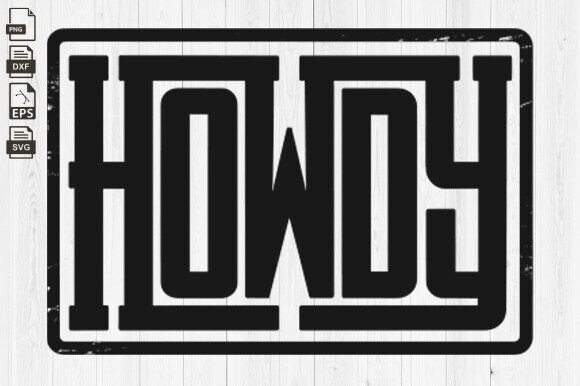
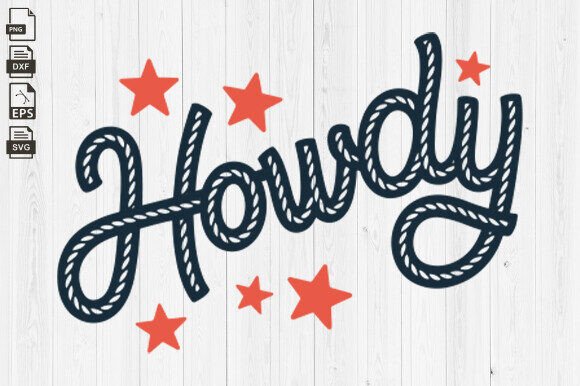
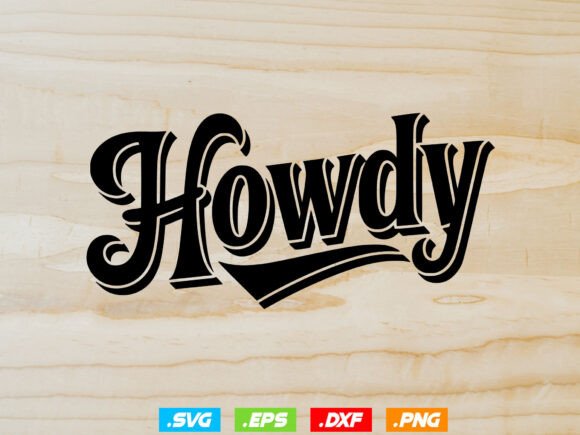
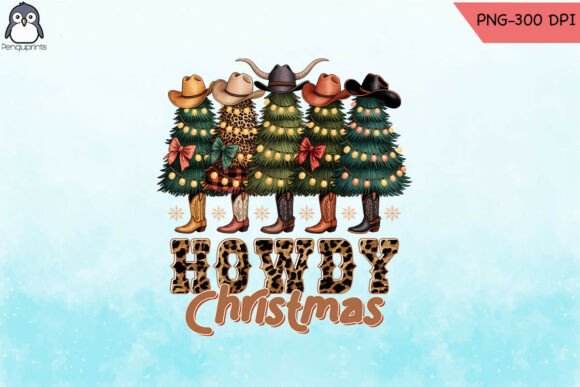
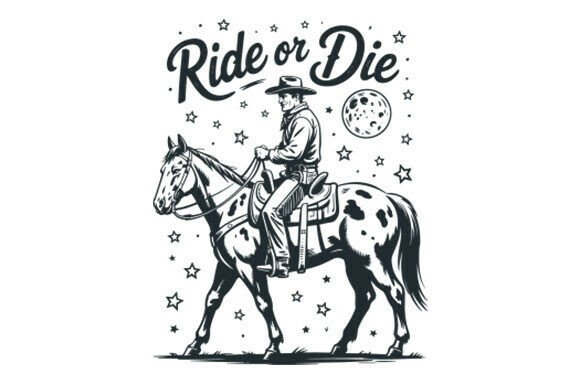
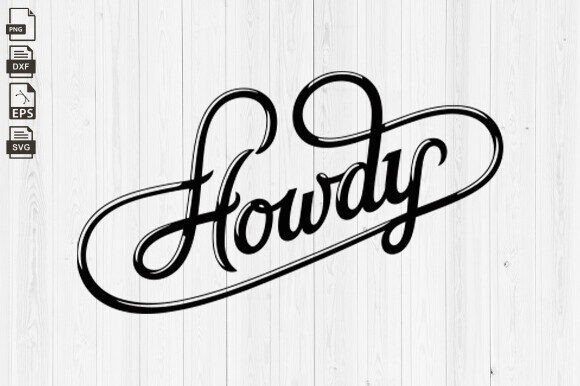
The first thing that stands out about Howdy, Typography, Yall, Cowboy, Cowgirl is its warm, friendly tone. The typography feels bold but not aggressive, which makes it approachable and versatile. Words like “Howdy” and “Cowboy” are stitched in a way that gives them character—think of the kind of font you’d see on a vintage barn sign or a rustic coffee mug. There’s a subtle western flair that doesn’t scream “country,” but rather whispers it with charm and confidence.
I imagine this design working well on items like tote bags, baby onesies, or even aprons for a farm-themed kitchen. The layout is balanced and the spacing between elements feels intentional, suggesting it was crafted with both visual appeal and practicality in mind. The combination of text and cowboy imagery adds depth without being overwhelming, making it suitable for both simple and layered embroidery projects.
Real-Life Use Cases for This Machine Embroidery Design
Let’s talk about how this design could actually perform in your craft business or personal projects. For Etsy sellers and handmade shop owners, the Howdy, Typography, Yall, Cowboy, Cowgirl file offers a ready-to-use asset that can elevate everyday items into something special. Here are a few scenarios where this design shines:
- Custom Apparel: Think personalized sweatshirts or t-shirts for a family reunion or a themed party. The typography blends well with casual garments and can be paired with other cowgirl motifs or yeehaw accents for a cohesive look.
- Tote Bag Design: A large-scale application of this design on a cotton canvas tote would work beautifully. The words and images have enough detail to stand out without overloading the fabric.
- Baby Embroidery: If you're creating a gender-neutral nursery gift, this design could be softened by using pastel thread colors and applied to muslin or flannel fabrics. The phrase “Yall” has a gentle, welcoming feel that fits perfectly in baby items.
- Embroidered Patch: As a standalone patch, this design could add personality to denim jackets, backpacks, or leather belts. Its layout is compact enough for a patch hoop while still maintaining visual interest.
- Holiday Gifts: Pairing this with festive color schemes can create unique holiday gifts like embroidered pillows or tea towels. The design’s theme naturally lends itself to seasonal variations.
- Small Shop Merchandise: Boutique owners and small business creators can use this design to brand apparel, aprons, or even signage. It’s got that retro-cool aesthetic that resonates with customers looking for something authentic and stylish.
Where to Use It Carefully
While Howdy, Typography, Yall, Cowboy, Cowgirl is a solid choice for many projects, there are a few areas where you’ll want to tread carefully. Here are some key considerations based on my experience:
- Small Hoop Sizes: The design features multiple text elements and an image. Without knowing the exact dimensions, I recommend checking whether it fits comfortably within your typical hoop size before purchasing.
- Textured Fabrics: The stitch clarity may vary if used on flannel, denim, or canvas. These materials can distort finer details or make small lettering less legible after washing.
- Thin or Stretchy Fabrics: Delicate materials like jersey knit or silk require extra stabilizing. Otherwise, the design may pucker or lose definition during stitching.
- Dense Stitch Areas: If the design includes fill stitches or intricate outlines, high-density stitching could lead to bulkiness, especially on thin layers or when layering multiple designs.
- Curved Surfaces: On caps or curved surfaces, the alignment of the text and imagery may shift unless properly adjusted in software or tested on a mockup.
- Dark Fabric Backgrounds: Thread color contrast is essential for visibility. If you’re using dark backgrounds, consider testing the design in black and white to ensure the message still comes through clearly.
Design Considerations for Commercial Embroidery Projects
If you plan to use Howdy, Typography, Yall, Cowboy, Cowgirl in commercial applications—as an embroidery file for sale or as part of a finished product—it’s crucial to confirm licensing terms. Since this is a digital product offered for instant download, always review the seller’s policies before including it in your craft business offerings or Etsy listings.
For digital embroidery files, SVG and EPS formats are great for editing and scaling, but they don’t provide stitch count or machine compatibility info. Before finalizing your order, reach out to the seller or check the listing thoroughly for these specifics. You’ll also want to test the design on scrap fabric to evaluate stitch density, thread colors, and how it behaves with different stabilizers.
Visual Appeal and Customer Engagement
What I really appreciate about this design is its ability to tell a story at a glance. It speaks to a lifestyle—maybe a love for the outdoors, a passion for Western culture, or just a fun-loving attitude. That emotional resonance is powerful for personalized gifts and handmade products. Customers will recognize the effort put into selecting such a thematic and visually engaging embroidery project.
When used correctly, this design can boost the product value and increase customer trust in your brand’s quality. It adds a professional touch to your design assets, helping establish a consistent style across your inventory. Whether you’re a hobbyist or a creative entrepreneur, having a design that feels both handcrafted and commercially viable is a big win.
Practical Embroidery Designer Notes
Before integrating Howdy, Typography, Yall, Cowboy, Cowgirl into your workflow, here are a few best practices I’ve picked up over the years:
- Test on Scrap Fabric: Always run a sample stitch before committing to a final product. This helps identify issues with stitch direction, tension, or distortion.
- Check Thread Color Contrast: Make sure the colors pop against your chosen fabric. If unsure, test in black and white to avoid surprises.
- Review Stitch Density: Especially important for detailed corners or dense areas. Too much pressure from tight stitches can cause puckering or fraying.
- Confirm Hoop Size: If the design exceeds your usual hooping range, you may need to split it or adjust the scale, which can affect the overall composition.
- Inspect Small Details: Look closely at tiny lettering or decorative accents. They may need manual tweaking or simplification depending on the fabric and machine.
- Use Proper Stabilizer: Especially for stretchy or thin fabrics. A good backing material ensures the design holds up post-wash and wear.
- Consider Both Personal and Commercial Uses: Will the design work equally well on a custom gift and a mass-produced item? Test both ends of the spectrum.
- Compare Light and Dark Backgrounds: Sometimes the same design looks completely different depending on the fabric shade. Keep this in mind for product variety.
Final Thoughts on Howdy, Typography, Yall, Cowboy, Cowgirl
In short, the Howdy, Typography, Yall, Cowboy, Cowgirl design is a strong addition to your embroidery project toolkit. It carries a clear visual identity and works well in a range of contexts—from cozy home goods to trendy fashion accessories. However, like any good design, it needs thoughtful application to truly shine.
Whether you’re preparing a batch of sweatshirt embroidery for your Etsy store or adding a cowboy-themed applique design to a line of small shop products, take the time to test and adapt. The right placement, fabric choice, and stabilizer can make all the difference in how your finished product is received by customers.
This isn’t just another graphics file—it’s a conversation starter. And in the world of crafts and handmade items, that’s exactly what you want.