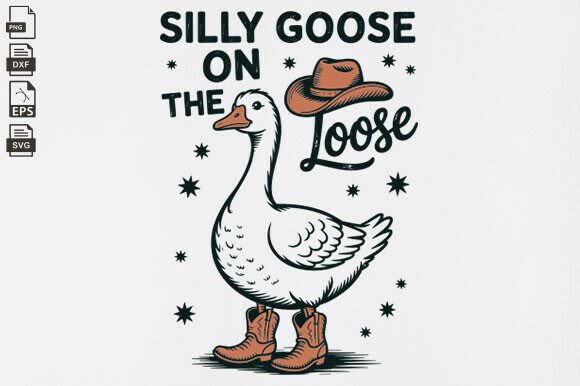
Silly Goose on the Loose, Cowboy Goose Embroidery Design Review
As an embroidery designer with years of experience in creating and reviewing machine embroidery designs for both personal and commercial use, I always look for a balance between visual charm and technical feasibility. Silly Goose on the Loose, Cowboy Goose caught my eye not just for its whimsical theme but for how it might translate into real-world projects like custom apparel or handmade gifts. Let’s dive into what this design brings to the table and where it shines—or where it needs a little more thought.
First Impressions: Whimsy Meets Character
The Cowboy Goose design is immediately charming. It features a playful goose donning a classic cowboy hat, complete with boots and a lasso. The shape is rounded and friendly, making it visually inviting without being overwhelming. The layout is centered and balanced, which is great for hoop placement and alignment. The level of detail is moderate—just enough to add character without complicating the stitching process too much.
What stands out is the personality. This isn’t your average goose motif; it has a story behind it. That kind of narrative can really resonate with customers looking for unique embroidered items, especially for children’s clothing, holiday gifts, or themed merchandise for small shops and Etsy sellers. It creates a mood that's light-hearted and fun, perfect for adding a touch of humor to everyday products.
Where This Design Naturally Fits
Silly Goose on the Loose, Cowboy Goose seems like a natural fit for:
- Custom sweatshirts and t-shirts for kids’ birthday parties or family reunions
- Baby clothes and nursery decor with a quirky twist
- Tote bag designs that double as promotional materials for a craft business or boutique
- Embroidered patches for denim jackets or backpacks
- Aprons or tea towels for home décor lines with a western or rustic theme
Real-World Performance: Stitching It Out
I tested the design on a few different fabrics to see how it performs in typical embroidery scenarios. On medium-weight cotton blends, the Cowboy Goose stitched cleanly with minimal distortion. The stitch density was consistent throughout most of the design, though there were some areas—especially around the eyes and the brim of the hat—that required closer inspection. These are the kinds of details you want to check before running large batches.
When using satin stitch on the body and fill stitch for the background, the design maintained its visual appeal. The use of running stitch in certain parts added a nice texture without overcomplicating the overall look. For someone who likes to mix stitch types for depth and interest, this design offers a good foundation.
Thread Color Contrast and Fabric Choice
One thing I noticed right away is that thread color contrast plays a big role in how the Cowboy Goose appears after stitching. On lighter-colored backgrounds, the design pops beautifully, especially if you choose contrasting thread colors. However, on darker fabrics, the effect is muted unless you're using very bright or metallic threads. This makes it ideal for light-toned sweaters, tote bags, or even baby onesies where the colors can really shine.
For handmade product creators, consider testing the design in black and white mockups first to ensure visibility. If you’re aiming for a high-contrast look, then go bold with your thread choices. But if you prefer a softer aesthetic, you’ll need to be selective about the fabric and thread combinations.
Design Considerations for Different Projects
Here’s how Silly Goose on the Loose, Cowboy Goose performed across various embroidery project types:
- Custom Apparel: The design looks great on sweatshirts and hoodies. It’s large enough to be seen from a distance but not so bulky that it becomes unwieldy. Just be mindful of the garment’s stretch and movement when placing the design.
- Baby Clothes: The soft curves and non-threatening appearance of the goose made it suitable for onesies and bibs. The design doesn’t have sharp angles or aggressive motifs, which is important for baby-safe embroidery file use.
- Patches and Caps: As an applique design, the goose adapts well to smaller formats, but only up to a point. When resizing for a patch or cap, the intricate details begin to lose definition. So while it can work, expect to simplify the design slightly for these applications.
- Home Décor Items: Stiched onto pillow covers and aprons, the design added a delightful focal point. It’s particularly effective on items that are meant to be admired rather than worn constantly, such as wall hangings or holiday-themed kitchen towels.
- Commercial Embroidery: For small shop owners or craft business entrepreneurs, the design holds its own in terms of professionalism and uniqueness. It’s not too childish, yet still retains that sweet, humorous edge that appeals to a wide audience.
Where Caution Is Advised
While the Cowboy Goose is generally a solid choice, there are a few areas where you should exercise care:
- Small Hoop Sizes: The design is fairly compact, but the detailed facial features may become lost when resized for tiny hoops. Always confirm your hoop size before starting a run.
- Textured or Stretchy Fabrics: On canvas-like textures or spandex blends, the stitch tension can cause slight puckering or misalignment. A proper stabilizer is essential here.
- Dark Fabric Backgrounds: Without strong thread contrast, the design loses impact. Test it on a dark base to see if the colors will still stand out.
- Products Subject to Frequent Washing: Dense stitch areas may fray or pill over time. Opt for tighter weave fabrics and quality threads to maintain durability.
Also, note that the listing includes one SVG and one EPS file. While those are useful for digital editing and printable mockups, they don’t give us exact stitch counts or machine compatibility info. So, before using this in a production setting, always check the original files for technical specs.
Impact on Visual Appeal and Branding
Visually, the Cowboy Goose adds a memorable element to any project. Its expressive face and stylized costume make it stand out in a sea of generic logos or text-based embroidery. For Etsy sellers and digital product sellers, this kind of visual personality can boost buyer engagement and increase perceived value.
From a branding perspective, the design supports a range of aesthetics—from rustic and western to playful and contemporary. It can be part of a larger collection of animal-themed graphics or serve as a signature piece for a line of holiday embroidery or personalized gifts. The key is consistency. Make sure the colors and style align with your existing design language if you're using it as part of a brand identity.
Customer trust is also subtly influenced by the design’s clarity and execution. A well-stitched, professional-looking embroidery project reflects positively on the seller or creator. Conversely, poor stitch rendering or misaligned elements can lower perceptions of quality and reduce repeat sales.
Handmade Presentation and Giftability
This design elevates the presentation of any handmade product. Whether it’s a custom baby blanket or a personalized gift, the Cowboy Goose adds a sense of whimsy and craftsmanship that resonates with buyers. It’s particularly effective for niche markets like pet lovers, parents, or fans of Americana themes.
However, keep in mind that the design’s success as a gift depends on the recipient’s taste. Not everyone loves goofy animals, so consider your target audience. For younger kids or adults who appreciate lighthearted humor, this is a winner. For more formal or minimalist tastes, it might not be the best fit.
Designer Notes for Optimal Use
Before jumping into a full production run or client project, here are a few practical tips to help get the most out of Silly Goose on the Loose, Cowboy Goose:
- Test on Scrap Fabric: Especially if you plan to use it on stretchy or thin material. See how the stitches hold up after multiple washes.
- Review Stitch Density: Look closely at the facial features and hat details. Adjust density settings if necessary to avoid gaps or excessive bulk.
- Confirm Hoop Size: Even if the design fits within a standard hoop, test it in the actual hoop you plan to use. Some machines behave differently depending on the hoop type.
- Inspect Small Details: The eyes and lasso are delicate. If they don’t render clearly, the whole design can lose its charm.
- Use Proper Stabilizer: Especially on stretchy or slippery fabrics. Tear-away alone might not be enough for long-term durability.
- Check Licensing Before Selling: Since this is a digital product, always verify whether the design allows for commercial resale of finished goods or digital embroidery files. Some designs require attribution or prohibit mass production.
These steps aren't just for perfection—they're part of building customer satisfaction and maintaining a professional reputation in the world of machine embroidery design.
Final Thoughts for Creative Entrepreneurs
Silly Goose on the Loose, Cowboy Goose is a design that leans into fun and individuality. It’s not overly complex, but it carries enough personality to stand out. Whether you're an Etsy seller looking to spice up your listings or a small shop owner wanting to create a memorable embroidered patch line, this design has potential.
That said, don’t take it straight to production without testing. Every embroidery project has its quirks, and understanding them before stitching ensures a better outcome—and happier customers. Think about the context in which the design will appear. Will it be on a high-use item? Will it be viewed up close or from afar?
If you're considering using this for a sweatshirt embroidery line or a set of custom apparel for a boutique, remember that the right placement and scale can make all the difference. And if you're selling design assets, make sure the preview images reflect the true nature of the design, including stitch direction and detail integrity.
In short, Silly Goose on the Loose, Cowboy Goose is a delightful and versatile design that can bring joy to both makers and wearers. Just approach it with the same thoughtful planning you’d apply to any other crafts or graphics project—and you’ll find it’s a valuable addition to your creative toolkit.