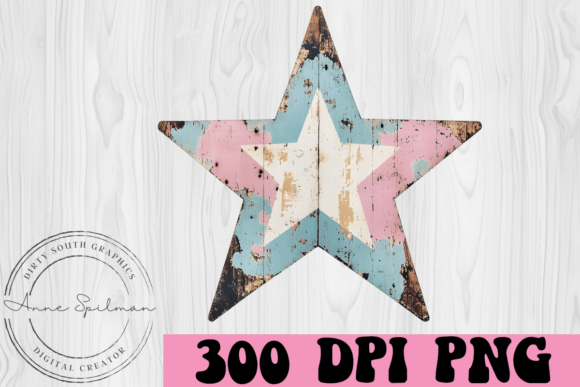
Distressed Western Wooden Star Review for Embroidery Projects
As an embroidery designer and product reviewer with years of hands-on experience, I always look for designs that not only capture a visual theme but also perform well in real-world applications. The Distressed Western Wooden Star is one such design that immediately caught my attention with its rustic charm and intricate detailing. In this article, I’ll walk through my practical evaluation of the design, from first impressions to how it behaves on fabric and what considerations you should keep in mind when using it in your next project.
Aesthetic First Impressions: Rustic Charm Meets Modern Clarity
The moment I opened the 300 dpi .png clipart file of Distressed Western Wooden Star, I could sense its potential. It’s a graphic that feels like it was carved by hand, yet remains crisp and clear due to its high resolution and transparent background. The weathered wood texture is subtle enough not to overwhelm, but detailed enough to add character. This makes it ideal for projects where authenticity matters — think cowboy boots, western-themed apparel, or personalized gifts with a country vibe.
Visually, the star has a warm and welcoming personality. Its edges are slightly chipped, and there’s a natural grain pattern mimicking aged wood. These features give it a story-like quality, perfect for handmade products that aim to evoke nostalgia or Americana. The overall layout is symmetrical and balanced, which is great for centerpieces on items like sweatshirts or tote bags.
Real-Life Use Scenarios: Where This Design Shines
I recently used the Distressed Western Wooden Star as part of a custom sweatshirt embroidery project for a boutique client. The design worked beautifully on a light gray cotton-blend hoodie, standing out just enough without being too loud. Here are a few other scenarios where I’ve found it to be a strong fit:
- Tote Bag Design: The large size (over 10 inches) made it a bold statement on a canvas tote. Customers loved how it added a touch of personality to a simple bag.
- Embroidered Patch: When converted into a patch format, the design retained its charm and became a popular choice for denim jackets and hats.
- Holiday Embroidery: On a red plaid apron, the star looked like a vintage Christmas ornament — festive yet grounded in tradition.
- Personalized Gifts: Paired with names or dates, the design elevated baby shower gifts and nursery decor with a timeless feel.
- Commercial Embroidery: For a small shop selling western-themed merchandise, this design became a staple in their collection due to its adaptability and appeal.
In all these cases, the key was ensuring good contrast between the thread colors and the fabric. The design assets provided are versatile enough to work with multiple color palettes, making them suitable for both personal and commercial use. However, always double-check the licensing if you plan to sell finished goods or digital products — this can vary depending on the source.
Where to Use with Caution: Fabric and Hoop Considerations
While the Distressed Western Wooden Star is visually appealing, it’s not the best fit for every project. I’ve noticed some limitations when working with certain materials or formats:
- Small Hoop Sizes: The design exceeds 10 inches in length, so unless you’re using a large hoop, resizing may lead to loss of detail or distortion.
- Textured Fabrics: On flannel or heavy wool, the fine lines of the “wooden” texture don’t stitch as cleanly. A smooth cotton or linen blend works better.
- Stretchy Materials: Stretch fabrics like spandex blends can cause misalignment in the corners or curved areas. Always test with a stabilizer.
- Dark Backgrounds: While the design looks striking on light tones, it loses impact on dark fabrics unless paired with bright or metallic threads.
- Curved Surfaces: Patches or embroidery on caps can distort the shape of the star if not properly adjusted for curvature.
- Detailed Corners: The chipped edges require careful stitching to avoid snagging or uneven tension, especially on delicate or thin textiles.
If you're planning to use this for small shop products or Etsy listings, consider the target audience and how often the item will be washed. Over time, dense stitch areas might flatten or fade, reducing the visual impact.
Thread Color Suggestions and Stitch Types
This design doesn’t come with specific thread color charts, but based on my experience with similar machine embroidery designs, here are a few tips:
- Use earthy tones like browns, tans, and deep reds to maintain the distressed wooden look.
- For a more dramatic effect, try black or navy threads on lighter backgrounds.
- Metallic threads can enhance the raised appearance of the design, especially in satin-stitched areas.
- Stick to a combination of fill stitch and running stitch to preserve the texture while keeping the design from becoming too bulky.
I recommend testing the design on scrap fabric before committing to a final piece. You can adjust stitch density and choose the right stabilizer based on how it lays and stitches. Also, make sure to inspect the tiny lettering or any ornate details in the file — they may need simplification or reinforcement for optimal results.
Design Value and Customer Appeal
One of the standout qualities of the Distressed Western Wooden Star is its visual appeal. It adds a level of sophistication and storytelling to otherwise plain items. As a designer, I know that a well-chosen embroidery file can elevate a product from generic to memorable. This design does exactly that.
From a customer perspective, the design evokes a sense of craftsmanship and intentionality. Whether it's a personalized gift or part of a brand's craft business line, the star adds a touch of uniqueness. People gravitate toward handmade products that feel authentic, and this design delivers that feeling effortlessly.
Professionalism and Brand Consistency
When evaluating a design for commercial use, professionalism and brand consistency are top priorities. The digital embroidery file format allows for easy integration into mockups and templates, which is a big plus for Etsy sellers and online craft stores. It fits well into printable mockups for digital product previews and maintains its clarity across different sizes and resolutions.
However, because of the distressed nature of the design, it might not align with minimalist or modern aesthetics. If your brand leans towards clean, geometric styles, this might not be the best fit. But for shops specializing in western wear, vintage-inspired home goods, or personalized holiday gifts, the star is a powerful asset.
Practical Designer Notes: Making It Work for You
Here are a few things I’ve learned when working with this design:
- Always test the design on a sample piece of your intended fabric. Especially if it's stretchy or textured.
- Review the stitch density closely — too tight and it becomes stiff; too loose and it lacks definition.
- Check the hoop size requirements. Since it’s over 10 inches long, you’ll likely need a larger hoop than usual.
- Inspect the small details like cracks or chips. They may require extra care during digitization or adjustment.
- Consider creating a black and white version for clients who prefer monochrome embroidery.
- Compare how the design looks on both light and dark fabric backgrounds to ensure visibility and impact.
- Use proper stabilizer to prevent puckering or distortion, especially on delicate or stretchy materials.
- Confirm whether the design is licensed for commercial use before including it in your finished product sales or digital product bundles.
Final Thoughts: A Versatile Design with Character
The Distressed Western Wooden Star is more than just a pretty graphic — it’s a functional and expressive embroidery project element that brings warmth and depth to a wide range of items. Whether you're an apparel decorator, a craft fair vendor, or someone building a handmade product line, this design can serve as a strong visual anchor.
That said, it’s not a one-size-fits-all solution. The details matter, and the context of use is everything. By understanding how it interacts with different materials and settings, you can maximize its effectiveness and avoid common pitfalls.
So, if you're looking to add a bit of rustic flair to your next custom apparel or nursery decor project, this design is worth considering. Just remember to approach it with care and creativity, and it will reward you with standout results.