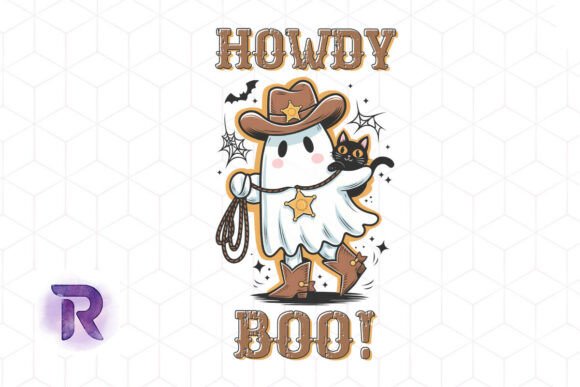
Western Star Clipart Review for Real Embroidery Projects
When evaluating Western Star Clipart, I approach it like any other design asset: with a critical eye toward how it will translate from screen to stitch. As an embroidery designer who’s worked on countless handmade products and custom apparel, I know that the right graphic can elevate a project from average to memorable—but only if it's used wisely. Let me walk you through my thought process as I consider this design for real-world use.
A Warm, Rustic First Impression
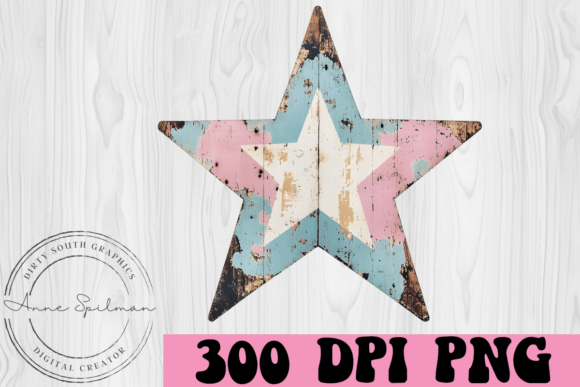
The first thing I noticed about Western Star Clipart is its warm brown color palette. It evokes a classic western vibe without being overly stylized or complicated. The star shape is bold but not garish—think of a vintage badge or a leather tooling motif. This simplicity makes it versatile, especially for country decor projects, rodeo themes, or anything with a rustic digital design aesthetic.
Visually, the design feels grounded. It doesn’t scream for attention, which is a good thing in many contexts. Its subtle detail level suggests it’s suitable for both applique designs and fill stitch applications. That kind of adaptability is always a plus when considering a machine embroidery design for a range of craft business needs.
Who This Design Is For
If you’re an Etsy seller, handmade shop owner, or someone crafting personalized gifts, Western Star Clipart could fit well into your line of design assets. It works particularly nicely in printable mockups and digital product previews, where visual appeal and brand consistency are key. But let’s dig deeper into what actually happens when you start stitching.
How It Performs in Real Embroidery Situations
I often test new graphics by imagining them on different substrates and in various sizes. Here’s how Western Star Clipart stacks up across common embroidery uses:
- Tote Bag Design: A large-scale version of the star would look great stitched onto a canvas tote. It adds a touch of country charm without overwhelming the bag’s utility.
- Sweatshirt Embroidery: On a cotton sweatshirt, the warm tones pop against light backgrounds. Just make sure to adjust stitch density for comfort and durability.
- Baby Embroidery: For a rustic-themed nursery, this design can be used as part of a border or as a standalone feature on an apron or blanket. Its clean lines make it safe for delicate items.
- Embroidered Patch: This design could work well as a patch for denim jackets or hats, especially when paired with leather accents or hardware.
- Holiday Embroidery: During the festive season, adding a small version of the star to gift tags or holiday cards gives a subtle nod to Americana style.
- Commercial Embroidery: If you're running a small shop product line, the design can serve as a branding element or decorative accent for boutique-style merchandise.
In each case, the design maintains its character. The key here is to match the visual personality of the star with the intended audience. It’s not flashy, so it won’t suit every project, but for those aiming for a laid-back, cowboy-inspired feel, it hits all the right notes.
Where to Use It Carefully
While the design is appealing, there are certain situations where you’ll want to proceed with caution:
- Small Hoop Sizes: Because the star has some definition, reducing it too much might cause details to get lost. Always check the minimum recommended hoop size before finalizing a project.
- Textured Fabrics: The fine lines in the design may not show up clearly on materials like flannel or corduroy. Consider using a contrasting thread color or reinforcing with a satin stitch.
- Thin or Stretchy Fabrics: These can distort under dense stitching. Test stitch density and use appropriate stabilizer to maintain quality.
- Dark Fabric Backgrounds: The warm browns may not stand out as intended. Try lighter shades or switch to white or cream threads for better visibility.
- Curved Surfaces: Stitching on caps or curved patches can cause distortion. Be prepared to manually adjust the design layout or scale accordingly.
- Detailed Corners: The edges of the star are crisp, but when scaled down, corners might lose their sharpness. Inspect the design closely at smaller sizes.
- Frequent Washing: Dense stitch areas can lead to wear over time. Opt for a balanced stitch count and high-quality thread to preserve longevity.
These considerations aren't just technical—they’re about ensuring your finished product looks professional and lasts long enough to build customer trust and repeat sales.
Visual Appeal and Project Value
One of the biggest wins with Western Star Clipart is its ability to enhance the perceived value of a product. Whether it’s a simple personalized gift or a commercial embroidery file, the warm, earthy tones add a sense of authenticity and care.
It also contributes to brand recognition. If you’re building a line of country-themed merchandise, this design can become a signature element. Customers begin to associate the star with your style, making your handmade product more identifiable and trustworthy.
Customer Reactions and Engagement
From experience, people respond well to understated yet meaningful design elements. Western Star Clipart isn’t going to wow everyone with its complexity, but it does have a quiet charisma that appeals to niche audiences. Think cowboys, ranch owners, or anyone who loves Americana—this design fits right in.
On Etsy listings, such graphics help create a cohesive look across multiple items. They also boost buyer engagement because they tell a story—whether it’s about heritage, craftsmanship, or a specific theme like rodeo events or fall décor.
Practical Designer Notes
Before using Western Star Clipart in production, here are a few things I always do:
- Test on scrap fabric to see how it holds up with different thread colors and textures.
- Review stitch density to ensure it doesn’t pucker or pull on stretchier materials.
- Confirm hoop size recommendations, even if they’re not listed. If unsure, go slightly larger than needed.
- Inspect small details at actual scale. Sometimes what looks sharp on-screen doesn’t translate perfectly to fabric.
- Use black and white mockups to evaluate contrast and clarity, especially if you plan to offer monochrome options.
- Compare on light and dark backgrounds to see which thread combinations work best.
- Check licensing terms if you intend to sell finished products or include it in digital kits. Don’t assume; confirm!
These steps help avoid costly mistakes and ensure that your embroidery project delivers both quality and consistency. After all, the goal is to create something that customers will cherish—not just admire briefly.
Final Thoughts for Creative Entrepreneurs
Western Star Clipart is a solid choice for designers looking to add a touch of western flair without going overboard. It’s a graphics piece that balances style and subtlety, which is exactly what many crafters and apparel decorators need to stand out in a crowded market.
Its warmth and simplicity lend themselves well to custom apparel, nursery decor, and holiday gifts, especially when used in combination with other western motifs. However, it’s not a one-size-fits-all solution. You’ll want to consider fabric type, placement, and context carefully to make the most of it.
If you’re part of a craft business or selling handmade products, this design can be a valuable addition to your creative toolkit. Just remember to treat it like any other machine embroidery design—with respect for its limitations and potential.
Ultimately, the success of Western Star Clipart in your next project depends on thoughtful application. With the right preparation, it can become a trusted part of your design language and contribute meaningfully to your commercial embroidery offerings.