Hootin Leads to Hollerin, Cowboy Design Review
As an experienced embroidery designer and product reviewer, I always approach new digital designs with a critical eye—especially when they’re intended for real-world applications like custom apparel, personalized gifts, or small shop merchandise. The Hootin Leads to Hollerin, Cowboy Design is one of those graphics that immediately catches your attention with its rustic charm and bold personality. Let’s break it down from the perspective of how it translates into actual stitched results, and what makes it a good fit—or not—for various embroidery projects.
First Impressions: A Western Vibe with Heart
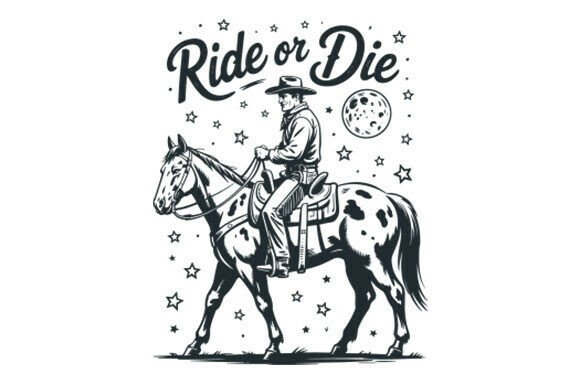
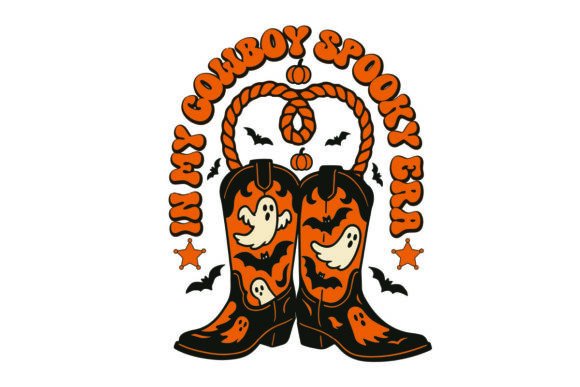
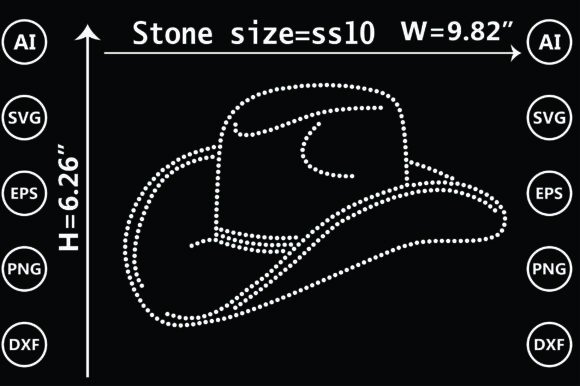
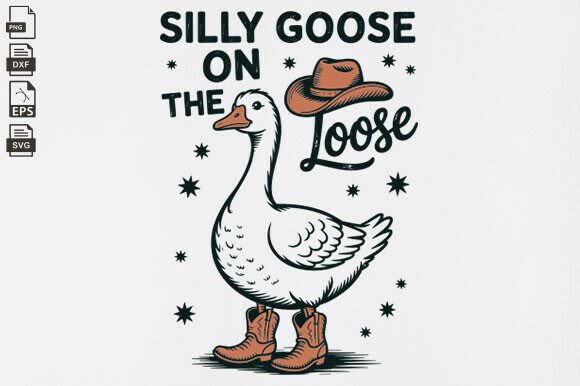
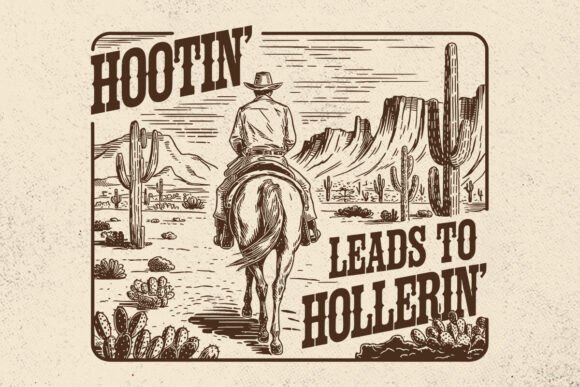
The Hootin Leads to Hollerin, Cowboy Design feels like a campfire story brought to life through stitching. It has a classic western theme with stylized elements like a cowboy hat, boots, and perhaps a silhouette or two. The layout is balanced yet playful, which suggests it was crafted with both visual appeal and versatility in mind. This design doesn’t scream for attention but rather invites you in with its character-driven storytelling. It fits well into categories like crafts and graphics, particularly if you're working on items that celebrate Americana, nostalgia, or individuality.
What stands out initially is the detail level. There are enough intricate lines and shapes to give it depth without overwhelming the fabric. The use of negative space is smart, allowing the design to breathe and avoid becoming too busy. As a designer, I appreciate when a file offers a clear sense of purpose—it just needs the right context to shine.
Real-Life Embroidery Use Cases
Let’s imagine a practical scenario: you’re an Etsy seller preparing a custom embroidered sweatshirt for a customer who loves western themes. You choose the Hootin Leads to Hollerin, Cowboy Design as a central graphic. On a cotton-poly blend hoodie, this design looks great when using 3–4 thread colors. The bold outlines and open areas work well with a combination of running stitch and satin stitch, making it suitable for a range of products including:
- Tote bag design – Especially for a hand-stitched look on canvas or denim.
- Sweatshirt embroidery – The layout adapts well to larger formats, maintaining clarity.
- Embroidered patch – Perfect for creating a standalone accessory with texture and contrast.
- Baby clothes – With careful adjustments, it can be softened for a more whimsical feel.
- Aprons and pillow covers – These items often benefit from strong, recognizable patterns.
- Tea towels and holiday gifts – The western motif adds a festive touch when scaled appropriately.
This design also has potential in commercial embroidery settings, especially for boutique branding or local shops looking to add a unique, handcrafted element to their small shop product line. Its adaptability means it could work in multiple colorways, depending on the target audience and the item being embroidered.
Where to Use with Caution
While the Hootin Leads to Hollerin, Cowboy Design is versatile, there are a few situations where it might require extra care or even a redesign:
- Small hoop sizes – The design’s moderate complexity may struggle in tight spaces. If you plan to embroider it on a cap or a small patch, consider simplifying the corners or resizing carefully.
- Textured fabrics – Think about using it on flannel or corduroy? Be prepared for some distortion, especially in dense stitch areas. Testing is key here.
- Thin or stretchy materials – Light-weight knits or silk blends might not hold up well under the weight of the stitches, leading to puckering or misalignment.
- Dark fabric backgrounds – The design relies on thread contrast for visibility. If your base fabric is dark, you’ll need to adjust thread colors accordingly.
- Curved surfaces – Caps and curved garment panels can cause stitch lines to shift. Always check how the design behaves on a test piece before mass production.
- Detailed corners and tiny lettering – While the main imagery is bold, any smaller text or intricate details should be reviewed closely for stitch accuracy.
Design Impact and Customer Appeal
From a consumer standpoint, this design evokes a sense of authenticity and tradition. Whether it's stitched onto a personalized gift or used as part of design assets for a handmade brand, it adds a layer of storytelling. That kind of emotional connection is invaluable for handmade product sellers looking to build customer trust and loyalty.
In terms of visual appeal, the embroidery file is clean and easy to read, even when printed as a printable mockup. It works well in both black and white and full color, giving you flexibility for different thread colors or fabric types. For holiday embroidery or nursery decor, a subtle color tweak can make it feel seasonal or gender-neutral, expanding its usability across product lines.
When applied correctly, the Hootin Leads to Hollerin, Cowboy Design elevates the product value and contributes to a professional-looking finished product. Customers will notice the quality, and it reinforces your brand’s attention to detail. It's a design that can help you stand out at craft fairs or in digital product previews by offering something familiar yet distinctive.
Designer Tips for Getting the Best Results
If you're planning to use this machine embroidery design in your next project, here are a few best practices based on my experience:
- Test on scrap fabric first – Especially if you're unsure about the fabric type or machine compatibility.
- Check thread color contrast – Make sure the chosen threads pop against the background fabric. A black-and-white printout can help visualize this better.
- Review stitch density – Dense areas may require a lighter stabilizer or reduced tension to prevent stiffness or damage.
- Confirm hoop size – Though exact dimensions aren’t provided, scaling this design down requires attention to proportion and clarity.
- Inspect small details – Any fine lines or lettering should be tested separately to ensure they stitch cleanly.
- Use proper stabilizer – Depending on the fabric, you may need tear-away, wash-away, or cut-away stabilizers to maintain shape and reduce puckering.
- Compare light and dark backgrounds – Try stitching it on both to see how it affects the overall presentation.
- Verify licensing – Before selling any finished product or digital embroidery file, confirm whether the design allows commercial use. This is essential for craft business owners and Etsy sellers.
Final Thoughts from the Stitches
Overall, the Hootin Leads to Hollerin, Cowboy Design is a solid choice for anyone looking to bring a touch of western flair into their embroidery project. It’s not overly complex, which makes it easier to manage in terms of stitch time and material requirements. But don’t mistake simplicity for lack of character—this design carries a mood that’s hard to replicate with generic templates.
For hobbyists and creative entrepreneurs, it’s a great way to elevate everyday items like tote bags or aprons. For apparel decorators and digital product sellers, it offers a reliable and adaptable template that can support a variety of branding efforts. Just remember to tailor it to your specific project and audience needs.
Whether you're preparing for a craft fair or launching a new handmade collection, take the time to understand how this design performs in real-life conditions. With the right preparation, it can become a staple in your design portfolio and a favorite among customers who appreciate thoughtful, well-crafted embroidery graphics.